
Shower Waterproofing
The Crucial Role of Shower Waterproofing: Why It’s Non-Negotiable
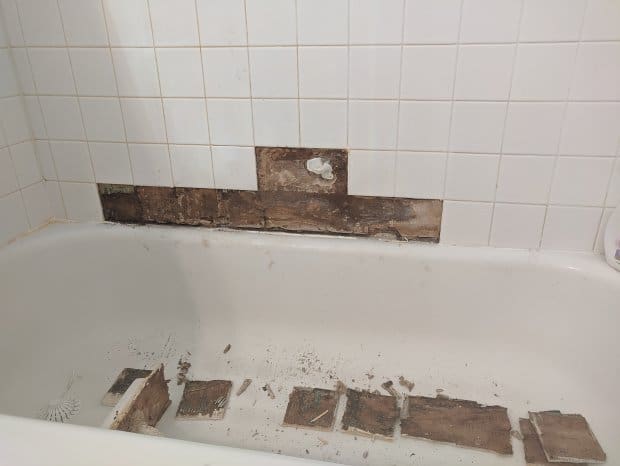
Proper shower waterproofing is one of the most important (and most often skipped) steps in a bathroom remodel. Done right, it prevents leaks, mold, and expensive repairs later. Done wrong, it can turn a new shower into a problem within a few years.
Why It Matters
Water that gets behind the tile or into the framing causes:
- Mold and mildew
- Rotting wood and damaged framing
- Costly tear-outs and repairs (we’ve seen brand-new showers that had to be demoed back to the studs)
It’s also required by most building codes.
Common Waterproofing Methods
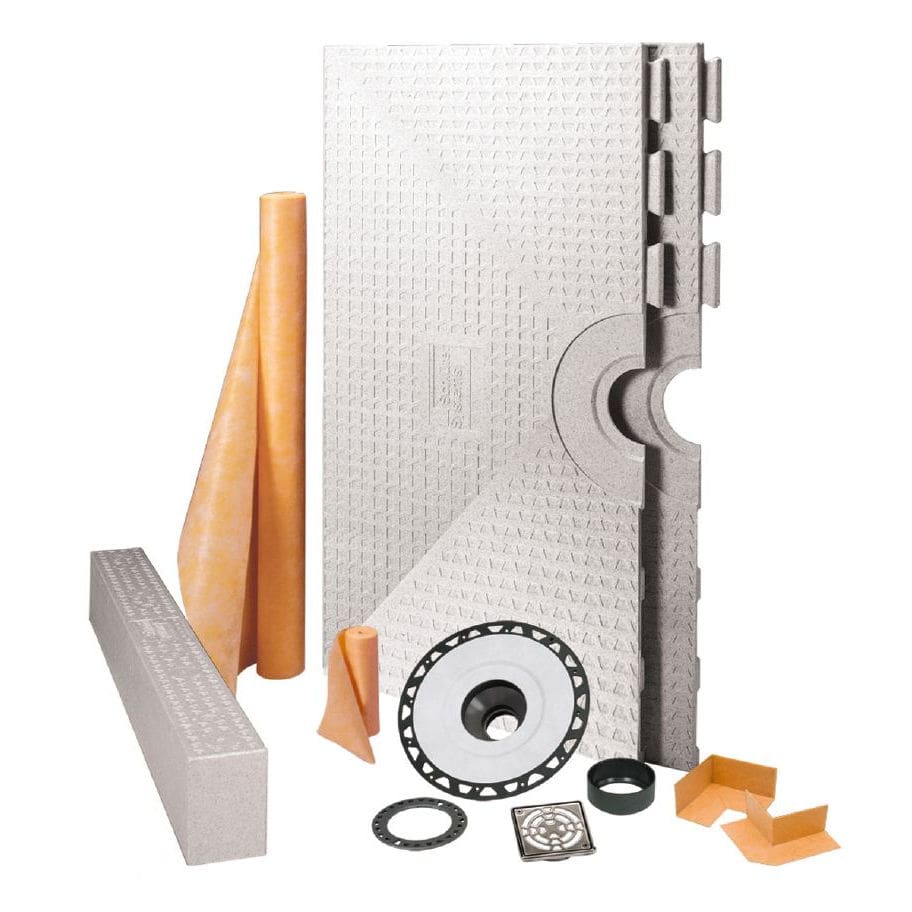
Sheet Membranes (Schluter Kerdi, NobleSeal, etc.)
A waterproof sheet is adhered to the walls and floor with thinset. Very reliable when installed correctly. Usually requires a pro.
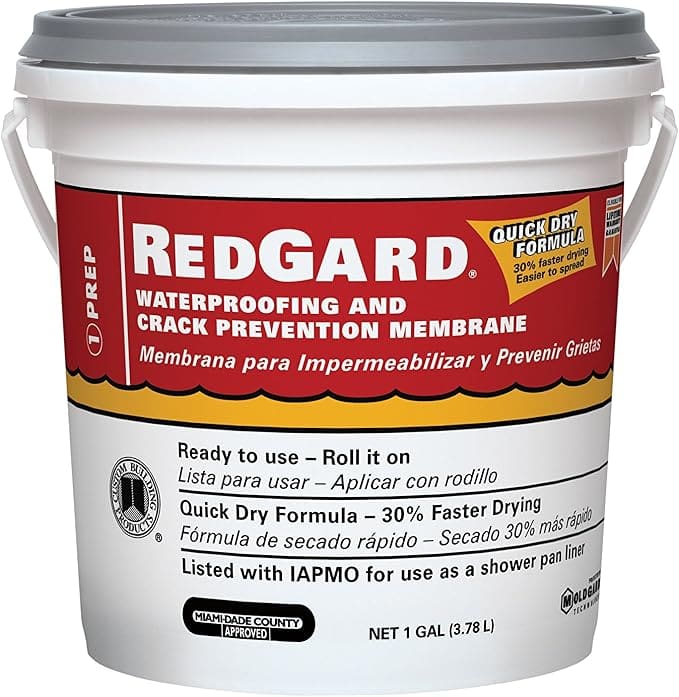
Liquid Membranes (RedGard, Hydro Ban, etc.)
A paint-on membrane applied in multiple coats. Good for irregular surfaces and can be DIY-friendly if done carefully.
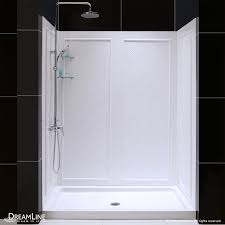
Pre-Formed Fiberglass/Acrylic Showers
One-piece or sectional units that are inherently waterproof. Fastest and most affordable option, but limited design flexibility compared to custom tile.
See a master shower remodel in Spring TX where we fixed exactly this.
Which Method Is Best?
It depends on budget, design goals, and whether the job is being done by a pro or DIY. Custom tile showers almost always need a proper membrane system. Pre-formed units are simpler and more fail-safe for basic installs.
Planning a Bathroom Remodel?
If you’re updating a bathroom in Spring, Klein, The Woodlands, or nearby, we handle the full process — including proper waterproofing, custom vanities, and tile work.
Call or text (832) 534-2119
Or contact us here.
You can also look at our completed projects first.